

Rank higher on Google in 2025: Practical SEO Steps
With the acceleration of digital transformation, appearing in search engine results in 2025, especially Google, has become a key factor for any website’s success. Website owners are always looking for new strategies to improve their website rankings, increase organic traffic, and boost engagement rates.
Since Google’s algorithms are constantly changing, it has become necessary to adopt practical and well-thought-out steps in Search Engine Optimization (SEO), focusing on factors such as content quality, website speed, and improving user experience.
If you are a site owner who wants to top the search results and attract a precisely targeted audience, this guide provides you with nine effective and practical steps based on the latest trends in SEO to help you achieve tangible progress in your website’s ranking and enhance your digital presence amidst increasing competition in the online world.
1. Choosing the Right Keywords and Using Them Naturally

Choosing the right keywords is the first step to improving your Google visibility. Pick the words and phrases people use when searching for your content.
- Focus on long-tail keywords with less competition and easier ranking. Use tools like Google Keyword Planner or Ubersuggest to find the most searched words in your field.
- After choosing your keywords, use them naturally in your content without annoying repetition. Spread your keywords in the page title, headings, the beginning of the article, and in some parts of the text, but do not overdo it.
- Always use keywords in a way that matches your writing style and is easy for readers to understand.
- Use similar words and common user questions to help Google understand your page better and increase your chances of showing up in more search results.
In short, choose your words carefully and use them intelligently and without filler to reach your audience better and rank higher in search results.
2. Improving Content Quality and Providing Reliable Information

Content is the most important factor in ensuring your website appears in the top search results. Good content means providing clear, useful, and comprehensive information that helps the visitor solve their problem or answer their question. Explain the information, avoiding copying, repetition, and filler, while ensuring you use reliable sources to support your presentation.
- Organizing ideas, explaining technical terms, and using main and subheadings can create an enjoyable and easy reading experience.
- The clearer and easier your content is, the more likely Google is to see it as helpful and raise its ranking.
- Cover the topic completely so the reader finds everything on your page, without needing another website.
- Support your points with real examples or trusted statistics, and use external links when needed to prove your information is correct.
- Always check your facts, update your content regularly, especially in changing fields, and proofread before publishing to ensure quality.
This way, you build trust with both visitors and search engines.
3. Improving On-Page SEO (Titles, Meta Descriptions, and Text Elements)
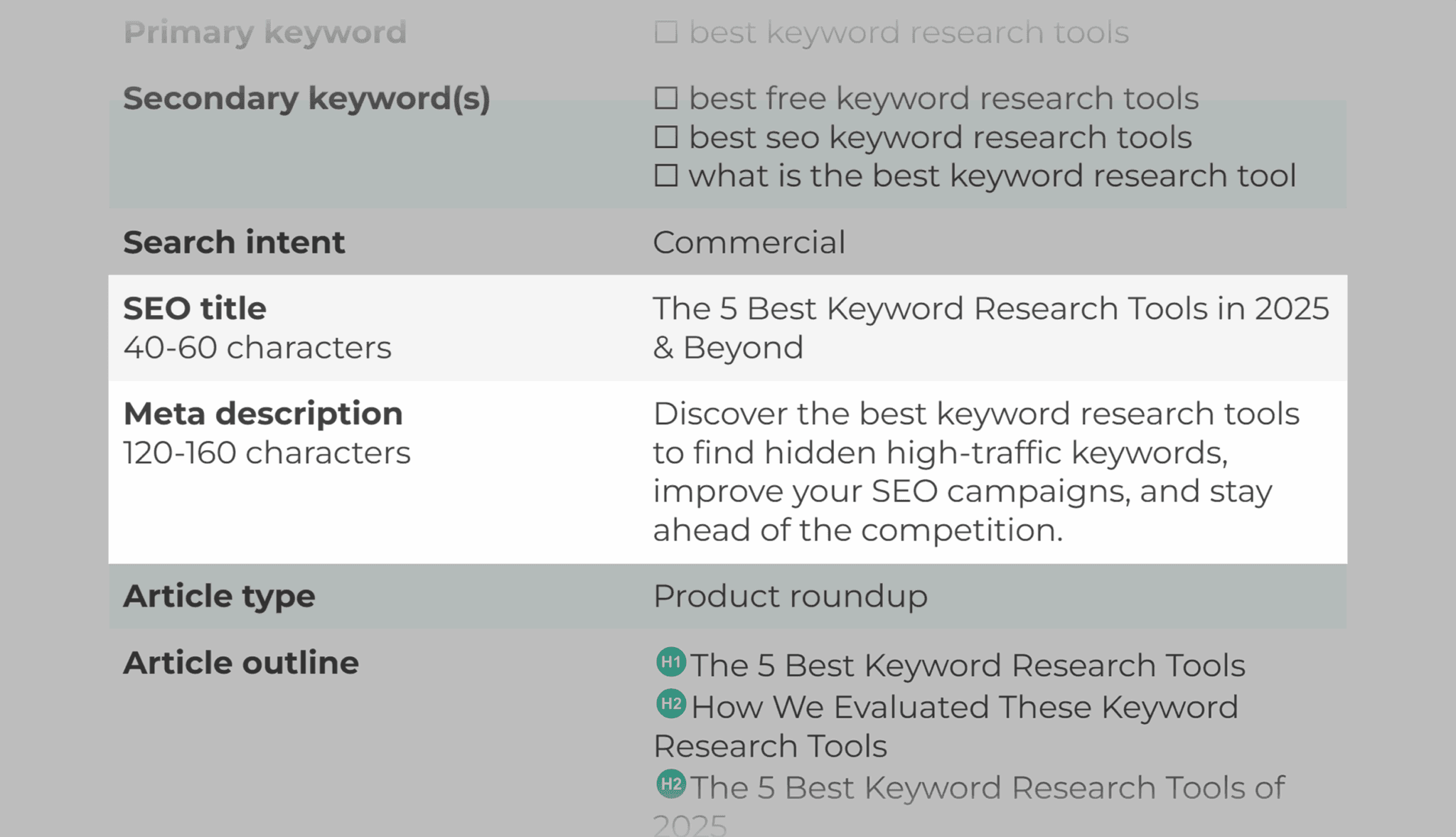
Optimizing on-page SEO is a crucial factor in enhancing your website’s visibility in search engines and attracting the right visitors. Here’s a comprehensive guide to improving the key elements:
a. Title Tags:
- Ideal length: 50–60 characters (so it’s not cut off in search results).
- Put the primary keyword at the start of the title.
- Use action words (like “Learn,” “Discover,” or “Best Ways”) to make titles clickable.
- Make every page’s title unique and reflective of its content.
example:
❌ “Our Products”
✅ “Best Long-Distance Running Shoes – 2025 Deals”
b. Meta Description:
- Length: Between 150-160 characters.
- Write a description that answers the user’s question and encourages them to click.
- Add keywords naturally (Google may highlight them if they match the search).
example:
❌ “We sell sports shoes.”
✅ “Discover the latest running shoe collection with a 30% discount this month only! ✔️ Fast delivery ✔️ 2-year warranty.”
c.Header Tags (H1, H2, H3…):
- One H1 only per page, with the main keyword (similar to the Title Tag but not necessarily identical).
- H2 for subheadings, H3 for details under H2, and so on.
- Put secondary keywords in subheadings for context.
Example of article content:
H1: “How to Choose the Right Running Shoe?”
H2: “The Importance of Arch Support in Sports Shoes”
H3: “Types of Shoe Sole Materials”
d. Improve Text Content:
- Use your main keyword in the first paragraph.
- Keep keyword density natural (1–2%).
- Use synonyms (LSI keywords) for clarity, like “sports shoes,” “running shoes,” and “comfortable sports shoes.”
- Write short paragraphs (max. 3–4 lines).
- Use bullet points for lists.
- Avoid complex terms unless for a specialist audience.
- Use internal links to related pages (e.g., link from “Best Running Shoes” to “How to Care for Sports Shoes”).
e. Media Enhancement (Images and Video)
- Alternative Text (Alt Text): Describe the image using relevant keywords (e.g., instead of “IMG123.jpg”, use “black-long-distance-running-shoe”).
- File Size: Compress images without losing quality (tools like TinyPNG or ShortPixel).
- File name: Use keywords separated by hyphens (e.g., “running-shoe-adidas.jpg”).
f. URL
- Descriptive Short: Avoid numbers and symbols (e.g., example.com/running-shoes instead of example.com/? p=123).
- Keyword: Include it in the link if possible.
- Lowercase letters: Avoid uppercase letters, which can cause problems on some servers.
g. Additional signals
- Structured Data (Schema Markup): To improve the appearance of rich results (such as ratings, recipes, events).
- Social Sharing Buttons: To encourage sharing on social media platforms.
- Regular Updates: Revise old content to keep its data current.
h. Helpful Tools:
- Keyword Analysis: Google Keyword Planner, Ubersuggest.
- Competitor Analysis: SEMrush, Ahrefs.
- Technical Element Check: Screaming Frog SEO Spider.
i. Practical Example (Product Page):
- Title: “Nike Air Zoom Running Shoe – Waterproof – 25% Off”
- Description: “Buy Nike Air Zoom running shoes at a limited discount!” ✔️ Comfortable design ✔️ Waterproof ✔️ 6-month warranty. Free delivery for all orders over 300 riyals.
- H1: “Nike Air Zoom Shoe: The Best for High Performance”
- H2: “Technical Features That Give You Comfort While Running”
- Alternative text for the image: “Nike running shoes – blue – size 42”
By consistently applying these elements, you will increase your chances of ranking your website on the first pages and improving your click-through rates (CTR).
4. Improving User Experience (UX)
Optimizing the user experience (UX) means making your website easy and fast to use, so that visitors feel comfortable using it and enjoy returning to it again.
Therefore, it is essential to focus on page loading speed to reduce waiting time and to design an attractive and simple user interface with harmonious colours and readable fonts.
The website should be organized and easy to navigate. It should allow users to access information easily, whether on their phone or computer, while ensuring the design is compatible with all devices (responsive design).
Ensure you provide clear and easy-to-understand content, and avoid annoying advertisements or elements that distract the visitor.
It is also advisable to use main and subheadings to clarify important points, and to rely on white space to facilitate reading and avoid overcrowding information.
Security is also a fundamental element, as protecting user data enhances their trust in the website.
✅ Remember to continuously review and improve the website to ensure a comfortable and simple user experience. This will increase visitors’ stay and the chances of the website appearing in the top search results.
5. Improving Site Speed
Improving website loading speed is one of the most important factors that affect the visitor experience and the website’s ranking in Google search results.
When a website is slow, visitors quickly get bored. They may leave before seeing the content, which negatively impacts engagement rates and sales.
A fast website means a better visitor experience and greater opportunities to appear on the first pages of search engines.
To speed up your website, it is recommended to do the following:
- Reduce image size using compression tools without affecting quality.
- Utilize fast and reliable hosting to enhance your website’s overall performance.
- Compress CSS and JavaScript files to reduce code size and improve loading time.
- Reduce the number of unnecessary plugins and software.
- Enable caching to speed up page display for returning visitors.
- Use a Content Delivery Network (CDN) to distribute content faster across different geographic regions.
- Reduce the number of HTTP requests by combining files and minimizing elements on the page.
- Lazy loading of unnecessary elements such as images and videos.
- Choose a lightweight, fast, and performance-optimized theme.
- Regularly monitor performance using tools like Google PageSpeed Insights or GTmetrix and make necessary improvements.
6. Using Structured Data
Using structured data can help Google and other search engines better understand the content of your website pages.
This data is a set of simple instructions added to the website’s code, providing details about the article, product, or other important information.
For example, if you’re writing about a cooking recipe or a product for sale, you can clarify its ingredients, price, or rating using structured data.
When structured data is applied correctly, additional and rich information about your location appears in search results, such as ratings, photos, and quick links.
These are the “rich search results” that attract visitors’ attention and encourage them to visit your website.
With the development of available tools, it has become easy to add this data professionally using free tools that simplify the task.
This is known as “rich search results,” which are designed to attract visitors’ attention and encourage them to click on your website.
The great thing is that implementing structured data is no longer complicated; there are free tools that make the task easier and help you add this data quickly and professionally, making your website more transparent and more understandable for both Google and users.
Professional Steps for Using Structured Data:
- Understand what structured data is and its role in SEO.
- Choose the right type of content you want to clarify (article, product, reviews, event…).
- Choose the most suitable markup language, such as JSON-LD, which Google recommends.
- Use free tools like Schema.org to select the appropriate schema for your content type.
- Utilize tools like Google’s Structured Data Markup Helper to generate structured data code easily.
- Add the code to the correct place on the website page. Add it to your site’s <head> or <body> sections.
- Test code with Google’s Rich Results Test.
- Improve content using test results.
- Monitor your rich results in Search Console.
- Update your structured data often.
Using structured data boosts your search performance and makes your site more trustworthy and attractive.
7. Building Strong Backlinks from Trusted Sources
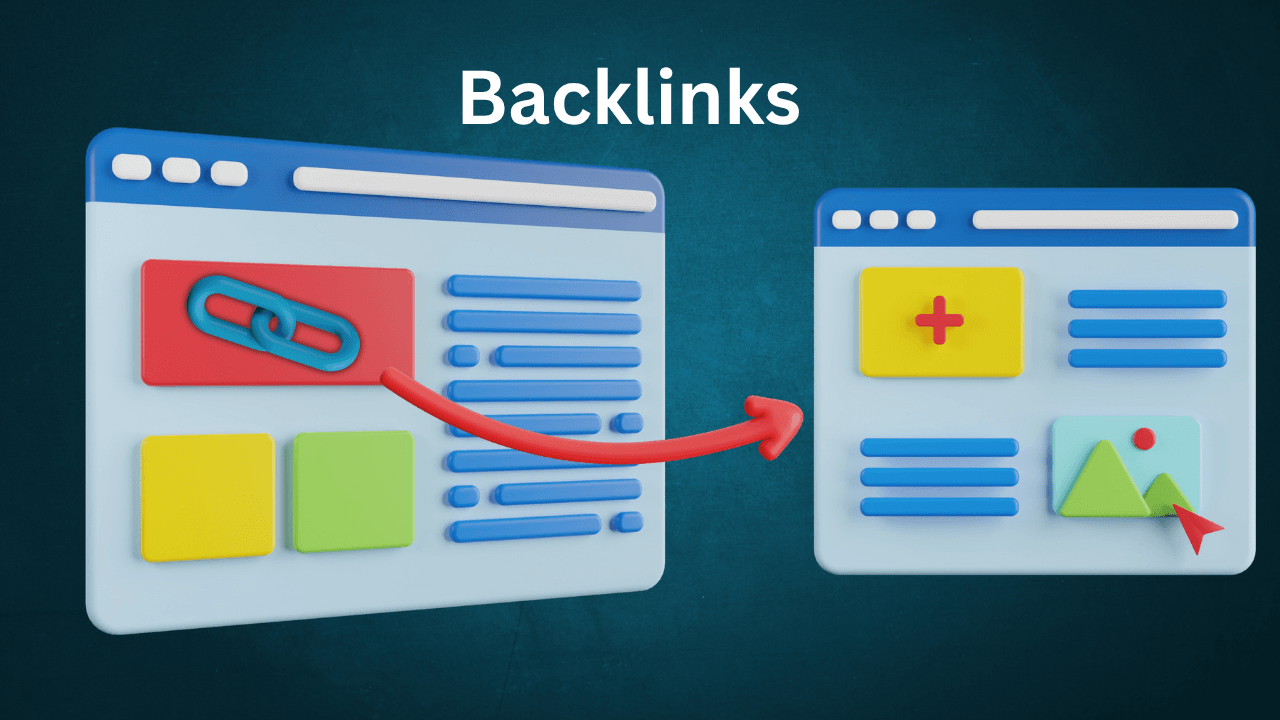
Building strong backlinks is one of the most important ways to help improve your website’s ranking in Google search results.
Backlinks mean that other websites are linking to your website within their content, which signals to Google that your content is trustworthy and valuable.
Here are some steps to build strong backlinks from reliable sources:
- Find trusted, popular sites in your field and get links from them.
- Write guest posts for top blogs or media.
- Share your content in forums and on Q&A sites (like Quora, Reddit).
- Exchange links with related, trustworthy sites (not random ones).
- Register your site in legit directories (local and global).
- Get your site mentioned in studies, research, or major reference articles.
- Create original content so others naturally link to you as a source.
- Build relationships with field influencers and ask them to link to you.
- Find broken links on strong sites; ask owners to replace them with your relevant content.
- Create updated, in-depth content that becomes a source for reporting on news and events in your field.
8. Monitoring Site Performance and Competitor Analysis
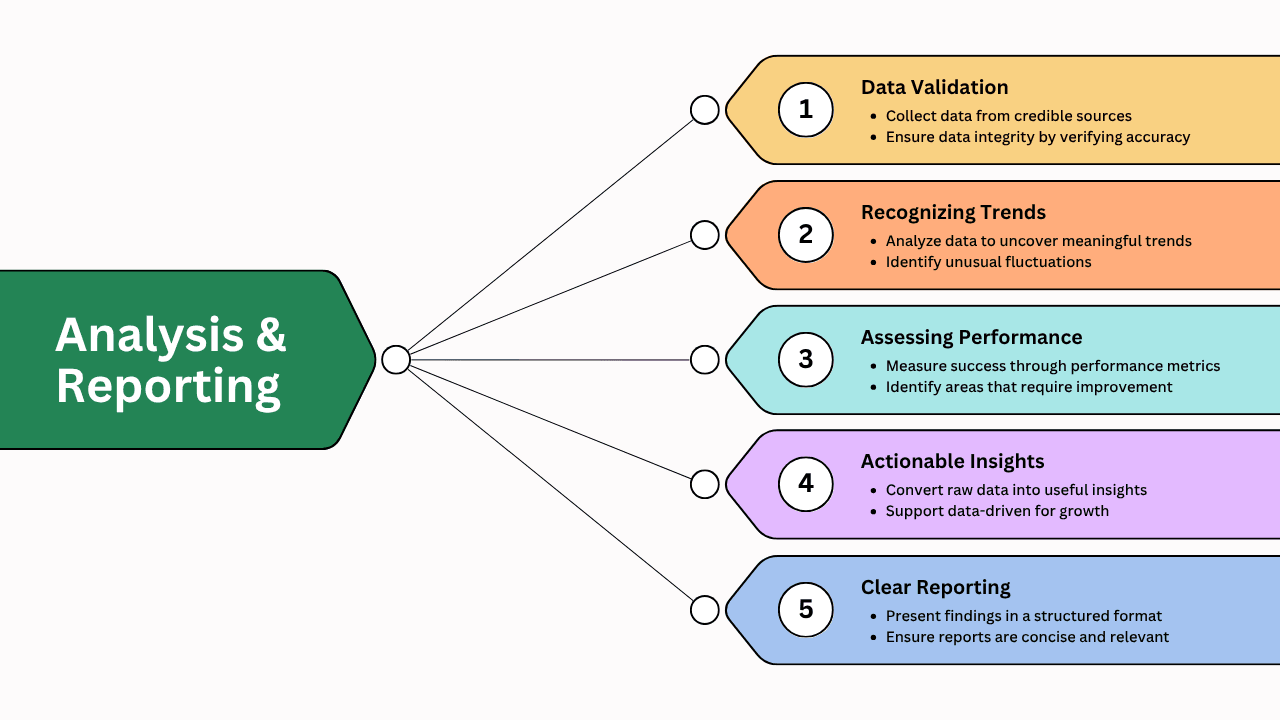
It is very important to constantly monitor your website’s performance if you want to improve it and appear in the top Google search results.
Easy tools like Google Analytics and Google Search Console can help you determine the number of visitors to your website, where they are from, and what they are searching for.
These tools help you understand the most visited pages, the content people like, and the errors that need fixing.
Additionally, it’s a good idea to follow the websites of your competitors in the same field. Observe how they present their content, the keywords they use, and the types of backlinks they have.
This way, you can understand their strengths and develop your strategy to be better.
Using these tools provides you with a clear view of your website’s status. It helps you make informed decisions to improve results and attract more visitors.
Steps to Use Google Analytics:
- Track visitor numbers and the most visited sections.
- Know your traffic’s source (search, social, direct).
- Analyse session duration, bounce rate, and conversions.
- Create reports to monitor SEO goals (like more organic visitors and higher conversions from specific keywords).
- Use real-time reports to track site impact live during updates and campaigns.
Steps to use Search Console:
- Track impressions, clicks, and average ranking.
- Find keywords that bring real visits and new keyword opportunities.
- Check index coverage and fix any errors.
- Analyze your backlinks and new link opportunities.
- Measure page load and usability on devices—apply suggestions.
- Compare with competitors using add-on tools as needed.
- Use Google’s suggestions for technical and site structure improvement.
Combining Analytics and Search Console provides a comprehensive view, from initial search to visitor action, enabling you to refine your approach and achieve better results.
9. Following Google Updates and Regularly Updating Content
It is essential for any website owner to constantly follow Google’s algorithm updates, as these changes directly affect the website’s ranking in search results.
Google regularly updates its algorithms to improve the quality of search results. Therefore, if you don’t keep up with these updates and adjust your website content and strategy accordingly, you may see your ranking decline even if your website was previously performing well.
The smart step is to review your website content periodically, ensuring it remains relevant, beneficial to visitors, and compliant with modern Google standards, such as text quality, loading speed, and user experience.
Also, adjust your plan as needed and add new information or improve old pages if you discover new requirements or trends in your research.
This continuous follow-up helps you appear on the first pages and maintains the strength of your website, no matter how search engines evolve.
Conclusion
In conclusion, improving your website’s ranking on Google in 2025 requires a comprehensive and integrated strategy that includes selecting and using appropriate keywords naturally, with a focus on long-tail keywords that target specific queries.
The content should also be high-quality, reliable, and comprehensive. It should present information clearly and organize itself to meet the reader’s needs without filler or repetition.
The importance of improving internal SEO through titles, meta descriptions, text, internal links, and media cannot be overlooked. Enhancing the user experience and website loading speed will also provide smooth and engaging browsing for all visitors.
Using structured data enhances the clarity of your website content in search results and attracts attention with rich results, while building backlinks from reliable sources is an influential factor in increasing your website’s credibility and authority with Google.
Similarly, continuous monitoring of website performance and competitor analysis using tools like Google Analytics and Search Console remains the cornerstone of constant improvement and rapid response to changes.
Finally, you must always be vigilant to keep up with Google’s algorithm updates and adjust your plans and content to align with modern standards, ensuring your website remains at the forefront amidst increasing competition.
In short, your success in improving your website’s ranking on Google depends on a balanced mix of unique content, continuous technical optimization, and smart interaction with the ever-changing search market, ensuring you enhance your digital presence and attract a target audience powerfully and effectively.
⭢ Join our SEO service now to boost your website’s visibility on Google and achieve real growth through innovative strategies supported by the latest technologies.
⭢ Book your free consultation today and start your journey towards sustainable digital success!


3 Comments
cannabis jar curing
October 6, 2025thc edibles for focus to boost productivity
free binance account
January 2, 2026I don’t think the title of your article matches the content lol. Just kidding, mainly because I had some doubts after reading the article.
Kenneth Douglas
January 5, 2026I love what you guys are up too. This type of clever work and reporting! Keep up the good works guys I’ve added you guys to my blogroll.